Your Guide to a Wedding Day Photography Timeline (From a Photographer)
I’m a wedding and family photographer based in Winston-Salem, North Carolina, ready to capture every season of your life. My approach is warm, nostalgic, and focuses on what makes you you. I would love nothing more than to document your memories, together.
I'm Kira
Hi there,
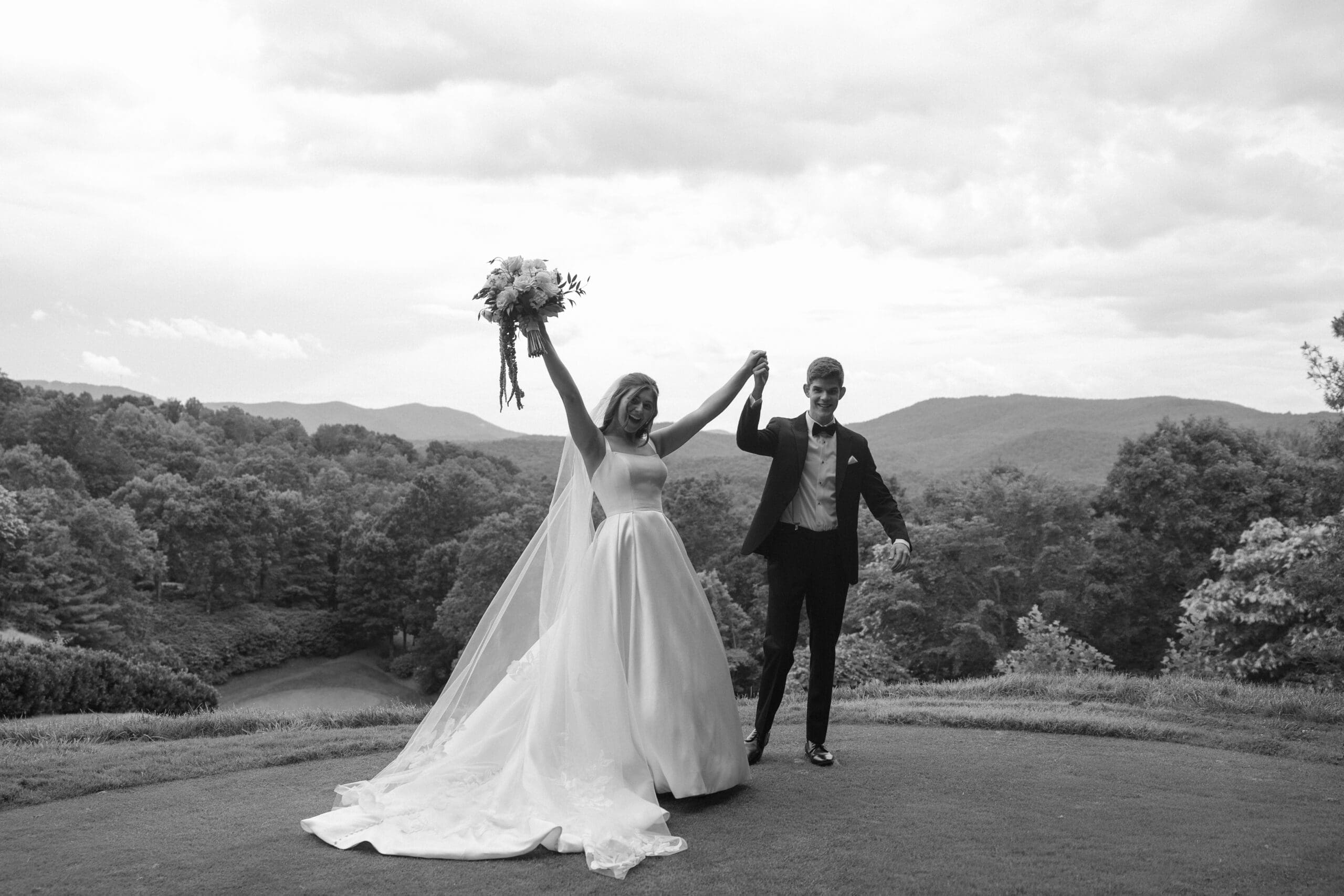
I had a bride tell me last spring that the timeline call was the moment her wedding finally felt real. Not the dress fitting, not the venue walkthrough. A Tuesday evening video call where we mapped out her entire day hour by hour. She laughed about it afterward, but I think about that a lot, because building a timeline is one of the most overlooked parts of wedding planning and also one of the most important.
As a North Carolina wedding photographer who has sat through hundreds of these planning calls, I want to walk you through exactly how I build a timeline with my couples, and then show you two real examples so you can see how the pieces actually fit together on paper.
How Do You Actually Build a Wedding Day Timeline?
I build every timeline through a call with my couple about six weeks before the wedding. That timing matters. Six weeks out, you usually have your ceremony time, your venue details, and your vendor list locked in, but you’re not so close to the date that a shift in plans throws everything into chaos. It’s the sweet spot between “we have the details” and “we desperately need this finalized.”
During that call, we’ll start with whether or not you have a wedding planner.
What If You Already Have a Wedding Planner?
If you have a planner, we build around the timeline they’ve already created. Planners usually have a solid grasp on caterer needs, DJ setup windows, and venue turnover restrictions, so my job shifts to slotting in the photography specific moments, like when we sneak away for portraits or how much buffer we need before the ceremony. I’ll flag anything that feels tight, like a fifteen minute family photo block for a blended family of twelve, but the bones of the day stay as your planner built them.
What If You Don’t Have a Planner?
Without a planner, I start at your ceremony time and work backward first. If your ceremony is at 4:00, we count back through getting ready, details, first look, and bridal party portraits to figure out when your morning needs to begin. Then we flip around and work forward from the ceremony, building out cocktail hour, dinner, toasts, and dancing until we land on a natural stopping point for coverage. Working in both directions catches problems you’d miss going only one way. I’ve had couples realize mid call that their hair and makeup team simply can’t finish two bridesmaids and a bride by noon, and it’s much better to discover that on a Tuesday phone call than at 9 a.m. on the wedding day.
Why Build the Timeline Six Weeks Out Instead of Sooner?
Six weeks gives us enough real information to build something accurate without leaving you locked into a schedule during the chaotic final stretch of planning. Earlier than that, couples are often still waiting on vendor confirmations or debating ceremony start times. Any closer to the wedding and you’re trying to problem solve timing issues while also picking up your invitations and confirming final headcounts. Six weeks is calm enough to think clearly and early enough to still make changes if something doesn’t work.
What Does a Wedding Day Timeline Look Like?
A full day timeline usually starts around noon and runs through your send off, giving us time to document everything from the flat lay of your rings to the last dance under string lights. Here are some sample timelines built around the hours of coverage in my three main packages:
10 Hour Timeline Sample
- 12:00 PM — Details/ Flatlay
- 12:30 PM — Getting Ready, Dress, First Look w/ Bridesmaids, etc
- 2:00 PM — First Look & Romantics
- 3:00 PM — Bridal Party Photos
- 4:00 PM — Family Photos
- 5:00 PM — Hide-Away
- 5:30 PM — Ceremony
- 6:00 PM — Cocktail Hour
- 7:00 PM — Dinner
- 7:30 PM — Reception Events
- 1 HR BEFORE SUNSET — Sunset Photos
- 9:30 PM — Last Dance
- 10:00 PM — Send-off
8 Hour Timeline Sample
- 11:30 AM — Details/ Flatlay
- 12:30 PM — Getting Ready, Dress, First Look w/ Bridesmaids, etc
- 2:00 PM — First Look & Romantics
- 3:00 PM — Bridal Party Photos
- 5:00 PM — Hide-Away
- 5:30 PM — Ceremony
- 6:00 PM — Family Photos
- 6:30 PM — Join Cocktail Hour
- 7:00 PM — Dinner
- 7:30 PM — Reception Events
- 1 HR BEFORE SUNSET — Sunset Photos
- 9:30 PM — Last Dance & Send-Off
5 Hour Timeline Sample
- 3:00 PM — First Looks & Romantics
- 3:45 PM — Bridal Party Photos
- 4:30 PM — Hide-Away
- 5:00 PM — Ceremony
- 5:30 PM — Family Photos
- 6:00 PM — Join Cocktail Hour
- 6:30 PM — Dinner
- 7:00 PM — Reception Events
- 1 HR BEFORE SUNSET — Sunset Photos
- 8:00 PM — Photographer Leaves
Why Start With Details and Getting Ready?
Starting with details lets us capture the small, easy to lose things before the day gets loud. Your grandmother’s earrings, the invitation suite, your dress hanging in the window light. It’s also the calmest part of the day, which makes it a good time to warm up in front of the camera before family and photos with a full bridal party start pulling you in every direction.
Where Does the First Look Fit Into the Timeline?
The first look happens early in the afternoon, usually about ninety minutes after getting ready starts, because it protects the rest of your schedule from rushing. Couples who skip a first look often end up cramming bridal party, family, and couple portraits into a single twenty minute cocktail hour window, and everyone can feel that stress in the photos. A first look spreads that work out and gives you a few quiet minutes together before the day gets social. That said, if you are against doing a first look, we can make that work too! Here’s a sample of what an 8 hour day with no first look could be like:
- 11:30 AM — Details/ Flatlay
- 12:30 PM — Getting Ready, Dress, First Look w/ Bridesmaids, etc
- 2:00 PM — Bride & Bridesmaid Photos
- 2:30 PM — Bride & Her Family Photos
- 3:00 PM — Groom & Groomsmen Photos
- 3:30 PM — Groom & His Family Photos
- 4:00 PM — Hide-Away
- 4:30 PM — Ceremony
- 5:00 PM — Joint Family Photos
- 5:30 PM — Joint Bridal Party Photos
- 7:00 PM — Dinner
- 7:30 PM — Reception Events
- 1 HR BEFORE SUNSET — Sunset Photos
- 9:30 PM — Last Dance & Send-Off
How Much Time Do Family Photos Really Need?
Family portraits with large groups take longer than people expect. Someone always needs to find Uncle Mike, or the flower girl decides she’s done posing, and having buffer time keeps that from eating into your cocktail hour. If you’re coordinating a big family, it can help to have a point person on each side dedicated to making sure that your side of the family is where they are supposed to be.
What Is a Hide-Away and Why Do You Build One In?
A hide-away is a short, quiet block right before the ceremony where you head back in, away from arriving guest and prep for your ceremony. This can be touch-ups, a snack, a sweet moment between soon-to-be husband and wife, etc. I started building this into timelines a few years ago after noticing how many couples told me the ceremony felt like a blur. A hide-away slows things down right when they need it most.
What If You Realize During the Call That You Need More Hours?
During our initial call before booking I usually do my best to point you towards a package that will serve your day best, however, every once in a while, I’ll have couples get on the timeline call and realize that they want to add in an hour or two to their timeline. You’ll book your coverage hours early on, usually before you have a ceremony time, a full guest list, or a real sense of how your day will unfold. Then we sit down for the timeline call, start mapping things out, and it becomes obvious that the hours you booked won’t stretch far enough to cover everything you actually want photographed.
I saw this happen with a couple planning a wedding just outside Winston-Salem last year. They’d originally booked 8 hours of coverage, planning to skip getting ready photos entirely. But once we started building backward from their 3:00 pm ceremony, they realized they really wanted their morning documented too, from her mom zipping up the dress to the flat lay of her grandmother’s veil. That’s the moment to speak up. We simply added the extra hours onto their package right there on the call, before anything was set in stone.
If you find yourself in that spot, the fix is usually simple. We look at what’s missing, whether that’s morning coverage, more time at the reception, or a later send off, and add hours to fill the gap. Because we’re doing this weeks before the wedding, there’s no scramble and no pressure. It’s a lot easier to adjust a schedule on a Tuesday evening call than to realize on your actual wedding morning that you’re going to run out of coverage before the send off.
It’s also worth mentioning that needing more hours isn’t a planning mistake. Most couples genuinely don’t know how their day will feel until the details start coming together, like the ceremony time, the venue’s sunset direction, or how many people are in the wedding party. The timeline call exists partly to catch exactly this kind of thing before it becomes a problem.
What Happens If Your Timeline Needs to Change on the Wedding Day?
Adding hours during the planning call is one kind of shift, but timelines can move on the wedding day itself too, and that’s normal. I’ve photographed weddings where a July storm rolled through right during what should have been golden hour portraits, and we ended up moving the entire portrait session up two hours to beat the rain. I’ve also had hair and makeup run late because a curling iron shorted out mid appointment. A good timeline has natural buffer built in specifically so these moments don’t derail your day. If you want to understand how sunset and golden hour actually shift throughout the year in North Carolina, timeanddate.com’s sun calculator is a genuinely useful tool when we’re picking portrait windows during the planning process.
A Few Final Thoughts on Building Your Timeline
Every timeline I build is really just a conversation translated into a schedule. It’s less about hitting exact minutes and more about protecting the moments you actually care about, whether that’s an unhurried getting ready morning near Old Salem, a quiet hide-away before you walk down the aisle, or one last dance under the lights before send off. If you’re just starting to think through your own day, I’d always recommend building yours with your actual photographer rather than a generic template, since every venue and guest count changes the math.
If you’re planning a wedding in North Carolina and want help building a timeline that actually fits your day, I’d love to chat. You can read more about how I approach wedding day coverage over on my wedding page, and I’m always happy to talk through your specific venue and ceremony time before we ever get to that formal planning call.
July 17, 2026
Leave a Reply

Authentic storytelling of your life's precious moments
North Carolina-based weddinG and family photography that preserves every cherished moment.
Your life is a beautiful, unfolding narrative, and I’d love to help you capture it. If you’re planning a wedding, engagement, or family session, let's chat so we can start crafting your very own visual legacy. Together, we’ll create images that you and your loved ones will treasure for generations.
Your Story, Forever Captured


BLOG
About
North Carolina photographer // available for travel
Navigate
WEDDINGS
FAMILIES
ABOUT
INQUIRE
HOME
PLEASE COMMENT BELOW